Guru’s Update from Carmel CC


As you all know, I have recently changed jobs (or maybe you didn’t know) and am now the Director of Instruction at beautiful Carmel CC in Charlotte, NC. It is an awesome 36 hole private facility with a newly renovated Reece Jones designed South Course that is second to none. I have been overwhelmed with all of the well wishes from friends and family and your prayers are working because things could not have gone better in the first two weeks. Beginning with the outstanding staff from Jeff Nichols (DOI), Patrick Seather (HP) to the shop staff (Brandon, Adam, Chris, Dan, Fallon and Brett)…they have made the transition so easy with all of the help. Most of all, my new team of outstanding Instructors (Eerik Kauppinen and Clint Udell) have been so gracious and helpful in showing me how to get around all the day-to-day processes that are vital to our success. They are so open to change and have a passion for getting better which is why we have all jelled together as if we have been working together a lot longer than 2 weeks. The members at Carmel have received me with open arms and have been so nice as I walk the range everyday and run into them in the golf shop or in the locker room. I am very excited to provide them with new and exciting programs and help take the already excellent instruction to the next level. My staff and I have already made some nice changes that the members are taking advantage of such as 1)upgrading our video analysis software (V1 Branded Academy) which allows us to email the before and after swings with voice over of what we covered in the lesson to the members. We have had a lot of positive feedback on this already which is exciting. I have put together two new ladies programs and one adult short game school which has been well received. I am also bringing AIMPOINT technologies green reading (with the help of John Graham: senior instructor) in November. If there are any spots open after the next two weeks, I will open the two clinics to non-members. If you have any interest in attending, send me a message via twitter, email or Facebook). I just put together the entire schedule for 2012 which is chalked full of new and exciting programs for the members.
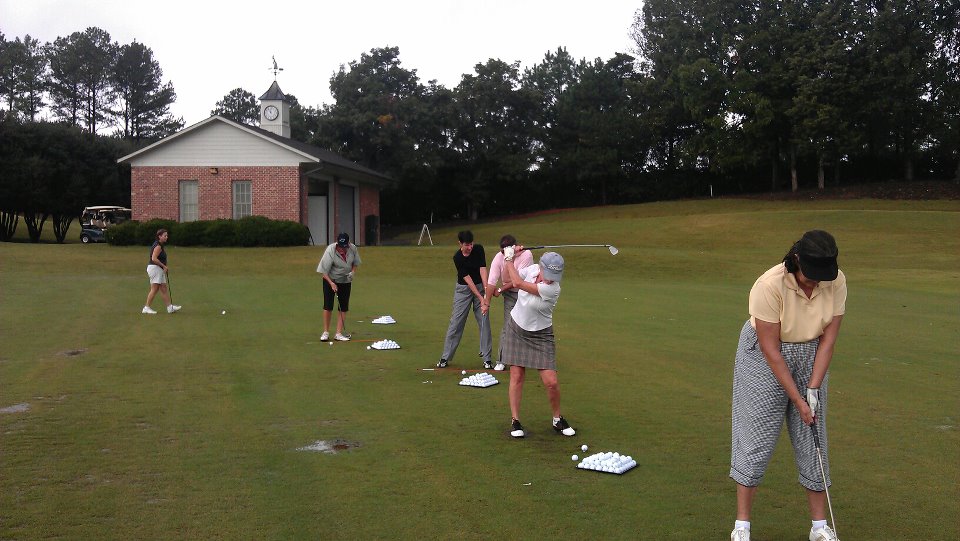
We have an outstanding facility with two hitting bays that allow us to open the doors and hit out into the range protected from the elements. Fitting capabilities with all the major manufacturers. It is only going to get better as we will make some upgrades to the building that will include indoor netting for cold weather and a putting studio with TOMI putting video software along with Coutour Custom fit putters.

Now that I am settled in, look for new upcoming episodes of Guru TV, featuring guest appearances from my staff instructors, Eerik and Clint (@clintudellpga on twitter). I have received many questions about whether I can teach non-members. As the members are my first priority, I can fill in the gaps with non-members. Feel free to contact me on my cell or you can simply call the golf shop (704-945-3300) or the learning center (704-668-9201)

See you on the lesson tee at Carmel CC,

Guru
Guru TV (archive) – Open Championship Week: The Knockdown Shot


Second to the Masters, the “Open Championship” is my favorite majors to watch because of the history and also because of the different style golf that will be played. This year at Royal St. George’s you will see the top players in the world fight the elements. It will be windy and rainy and they will be faced with playing shots that stay under the wind. Only the most patient and creative of players will survive this unusual test. Here is an archive video that I did last year for the Open Championship. Enjoy!

Don’t forget to sign up for “The Putting School” this Wednesday from 1:00 – 5:00 and the cost is 225.00. ******When signing up, mention that you heard about it from Guru’s Blog and receive a free 1/2 hour lesson. Call 704-542-7635 to reserve your spot

Follow me on twitter @twitter.com/golfgurutv or friend me up on facebook @facebook.com/jasonsuttongolf

Like our Dana Rader fan page and my www.golfgurutv.com fan page

See you on the lesson tee,

Jason

The Putting School with The Guru and Nancy Harvey


Are you really getting the most out of your golf score? Are you hitting the ball better but not seeing the results on the scorecard? Putting is nearly half of your score yet you put no practice time in to improve it. Does your putter fit you and is this important? How should I practice my putting and what drills should I be doing? These are all questions that you should be asking yourself as you rake it around for 36 putts or more. Get your answers to all of these questions and more by attending the 1st annual “Putting School” at the Dana Rader Golf School hosted by Master Instructor, Jason Sutton and Senior Instructor, Nancy Harvey. Here are the details and what is included in this amazing new program.

Date: Wednesday, June 29th       Time: 1:00 – 5:00   Cost:$ 225.00

What you will learn:

  • Before and After video of your putting set-up and mechanics with email video by V1
  • use of the latest putting training aids (the Kure, Putting arc, eyeline mirror, swinkey string)
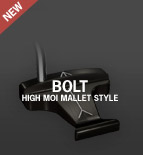
  • Putter fitting with Coutour fitting system
  • Mechanical and Process Drills
  • Green Reading techniques
  • Red Zone putting test for improvement measurement

There are limited spots available so sign up tomorrow by calling 704-542-7635 to reserve your spot

Check out our website at www.danarader.com for more information

Leave a comment or send me a message on twitter if you have any questions:www.twitter.com/golfgurutv

See you on the lesson tee,

Jason Sutton, Master Instructor

Dana Rader Golf School


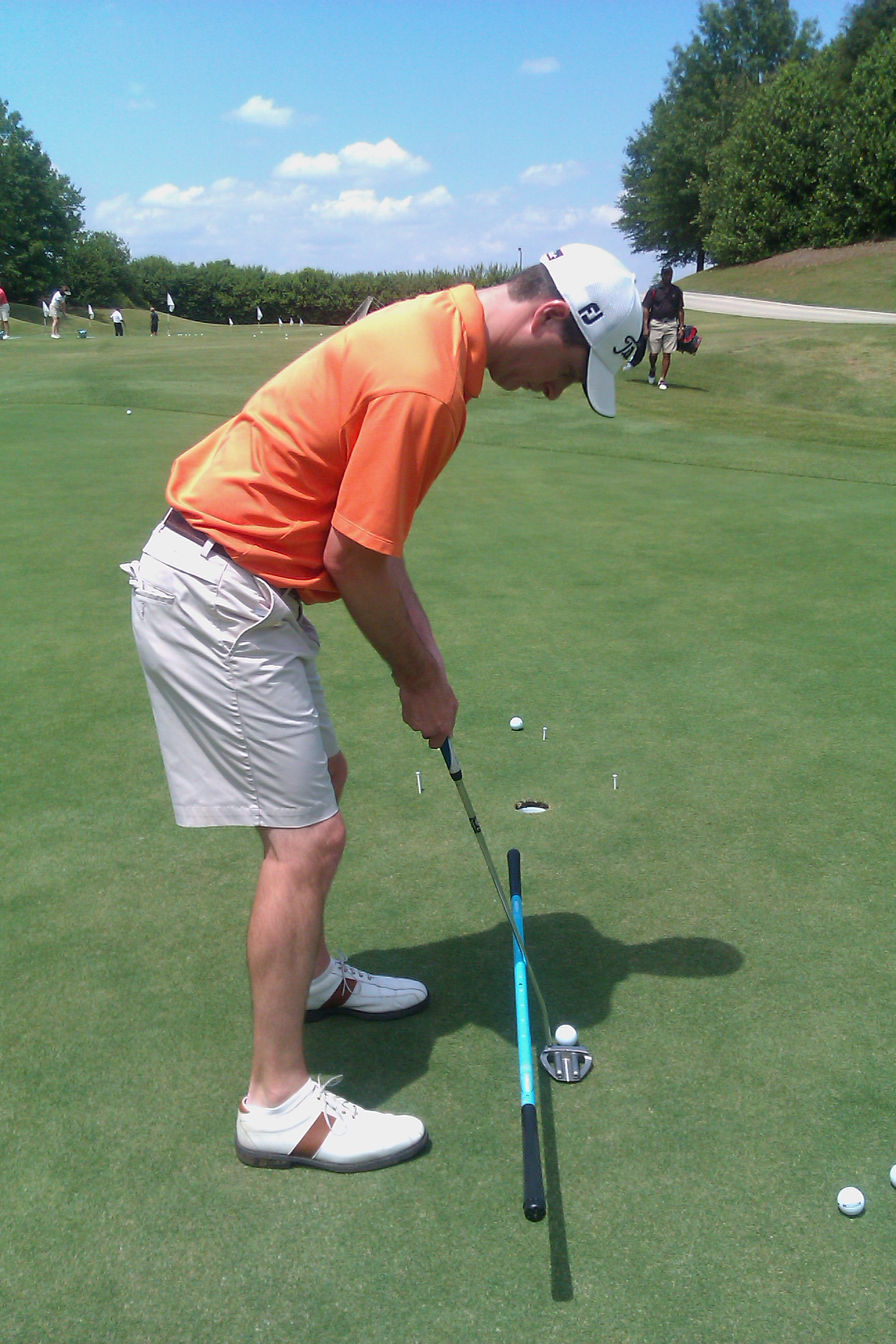
“The Swinkey” : My newest training aid is becoming my favorite…..find out why?


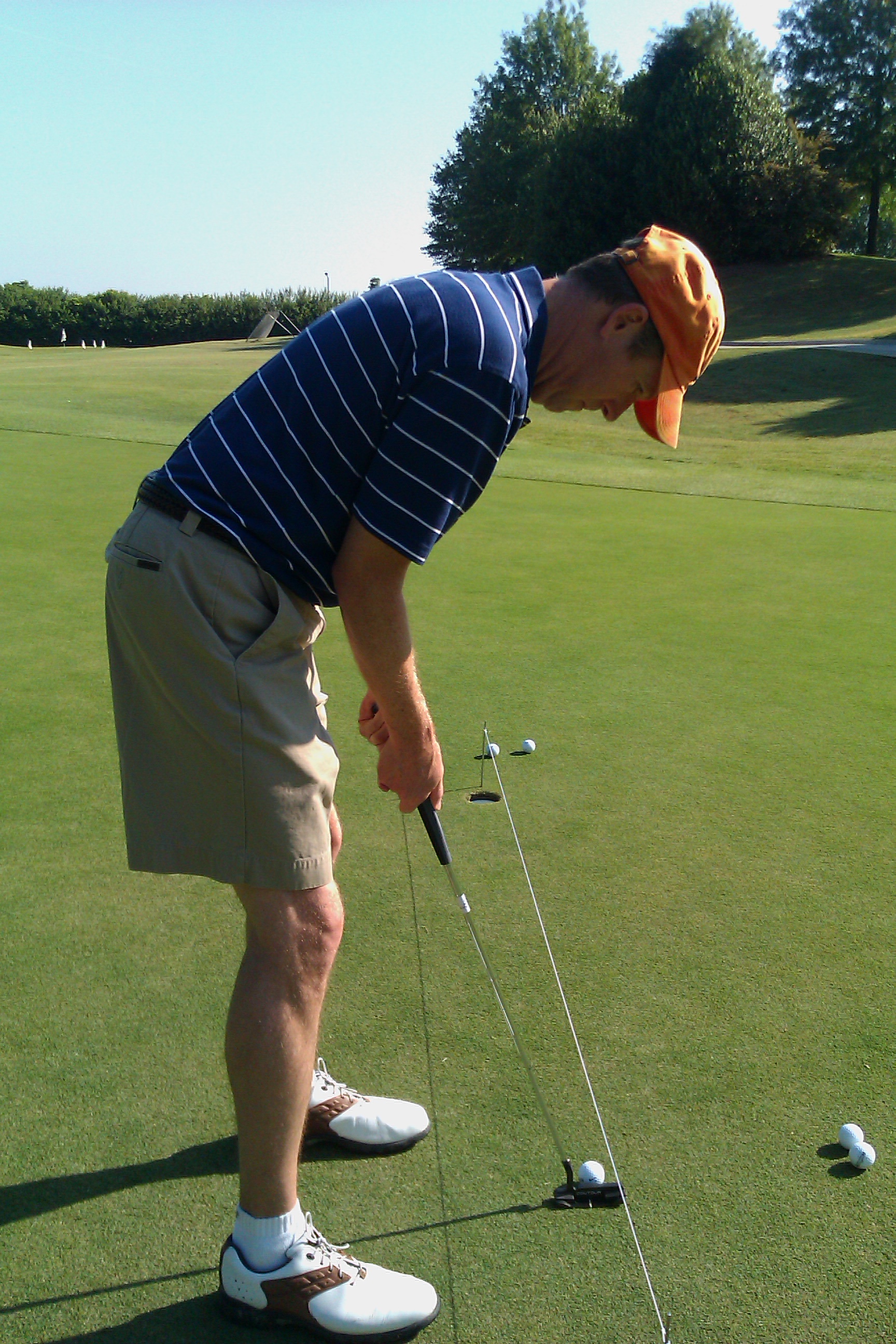
My student Mike Smith using the swinkey as a putting aid

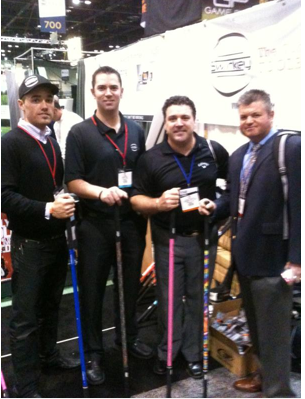
My boss came by the other day to watch me teach for a bit and noticed this Carolina Blue pole in my bag and was curious. “What is that?” she asked. “It’s my Swinkey I said” I proceeded to show her all of the uses that were possible as I unscrew the top of my training aid. “You are becoming quite the gadget guy,” she said. I never thought of myself as much of a training aid teacher as I try to utilize my hands to manipulate the student into feeling the changes that I want them to make and I still do. For those who know me are aware of how picky I am in what I use as aids for my teaching so it has to be good and it has to be simple for the student to use. I like training aids that are basically hard to screw up and I have found the one that you can use for the rest of your career. “The Swinkey”. The golfers toolbox or the Swiss Army Knife of training aids is many aids in one which makes it convenient and versitile. I was introduced to it by my good friend, National Canadian Teacher of the Year, Jason Helman (jasonhelmangolf.com) when he appeared on my Guru TV show last year passing through Charlotte. I met Todd Halpen, one of the owners of this fine training tool on twitter (swinkeytodd) and later met the rest of the guys at the PGA show and they are all great guys. They are all accomplished players and have an excellent idea of what golfers need to get better. I posted a question on the golf pro facebook group the other day to see what training aids were being used by some of the best instructors in the game and the Swinkey was on many of their lists which says alot.

The Swinkey Boys, Jason Helman and Me at the PGA show

The  Swinkey is a solid metal tube that holds two alignment rods and two metal stakes that can transform into so many different forms to help you get more out of your practice. I currently use it for :1) warmup swing trainer 2)alignment 3) ball position 4)swing plane 5)putting aid )putting string aim line 7) holding my impact bag in place. I am sure there are many others that I will find as I use it more. I would highly recommend that you order

my student Brian McAlpine using the Swinkey string for alignment

your today and start to get more out of your practice.

visit http://www.swinkey.comto order yours today and use PRO CODE:( Swinkey_26) to get a 10% discount. Just tell them The Guru Sent You and they will say Who is that? Anyway. I suggest you go get one now!

Please visit our website at www.danarader.com or call 704-542-7635 to schedule a lesson with the Guru and see the swinkey in action

See you on the lesson tee,

Jason

My Day With a Short Game Master


Every year as I compose my goals for my life and career,  I also update a list that I started about 15 years ago called my life list. A bucket list of sorts that included things that I wanted to do in my career. Several of them involve working with other top coaches. If you want to be at the top of your profession or field like I want to someday be, you must get around people who you admire or that have accomplished similar things that you aspire to do. Tony Robbins calls this modeling. I call this building relationships that will make you better with like-minded people. Today I am glad to say that I  can mark one of those items off of my list as I got to spend the day coaching with one of the best short game coaches in the world. Mr. Todd Sones (@toddsones). I have been fortunate in the last few years to build a relationship with Mr. Sones as he has kind of taken me under his wing and mentored me in many areas of the teaching business and life. So when he emailed my boss and asked if he could come to our golf school and partner with me and do a scoring game school I was very excited. An opportunity like this does not come along very often for me to work alongside a top 50 teacher and observe how he works with average players. I assembled 8 of my students to experience working with myself and Mr. Sones for a great day of learning about putting and the short game. We started off with a presentation about Todd’s philosophy and what the students should expect for the day which I recorded for your viewing pleasure (pending). I wish I would have had someone video the whole thing because I couldn’t process everything that I was witnessing as I was trying to teach and also follow behind my mentor as we went through each student.

We started with putting for the majority of the morning which included a set of stations for the students to work (drills and practice) as I filtered each student to Todd to assess and also fit for a coutour putter which is Mr. Sones putter company where he can build high quality putters that fit the student properly. Getting students into proper posture and then fitting them is the only way to go. Out of 8 students, only 2 of them had putters that were even close to what would allow them to putt to their potential and one had been fit by me. Needless to say, once we put putters into their hands and they could see the results immediately…..they all bought new putters. The great thing about Todd is that he has that ability to help the students and also educate other teachers as well. Myself along with some other staff members and one PGA pro who drove in from Virginia, were privy to observe and pick the brain of one of the best as he did his work. I had seen Todd present his philosophy many times and had many conversations with him about teaching putting but until you see a guy work one on one with a student, you just don’t get the full effect. To see how he could make simple adjustments to their setup, explain it to the student and have them understand it and implement it quickly was great to see. After 3 hours of putting instruction, the students were all able to tell us what we had worked on and how they will practice their changes which I feel is the true sign that the student really gets it.

We ended the last couple of hours by working on shots from the edge of the green and back to about 40 yards which is so crucial in the scoring zone. Mr. Sones believes, as do I, that the terms “pitch” and “chip” are terms that don’t fully describe short game shots. These terms are often misused and confuse the average golfer. So the cool thing about what he teaches is the different language that he uses for each shot. We taught the students these shots:

1. bump and run – short shot played with a putting grip and stance (pw, 8iron)

2. bump and spin – same shot only played with a sand wedge to spin it

3. hinge and hold – played from the rough using an early hinge action to create a steeper angle of approach

4. low toss shot  – 25 yards off the green

5. high toss shot – same shot with a higher trajectory

He uses a different way of getting into setup which start by setting the club for the shot at hand and then “standing to the handle” which positions the butt of the club in the middle of your body. This sets the proper ball position without even mentioning it which is one less thing for the student to think about.

Mr. Sones says” A good short game can be summed up in one word, “descend!” and a poor short game can be described as “ASCEND.”

There were plenty more nuggets that I picked up as we talked in between and after the session that I will have to share later or you will just have to hit me up on twitter or come and take a short game lesson. Better yet, come out and get fit for a Coutour putter that will help me teach you better.

Because today I am a better coach than I was yesterday and that is what it is all about…..Am I Right? I can’t believe that I get paid to do this. Thanks for reading my blog and share this with someone who needs help with their short game. You can find me at the Dana Rader Golf School on the both sides of the building….not just the range.  or on twitter @twitter.com/golfgurutv

This year, make your lesson plan include at least 50 percent short game and putting and you will thank me later.

*****Special thanks  to my friend Todd Sones for a great day and sharing his knowledge with me and my students.

See you on the lesson tee,

Jason

GURU TV – PUTTING BASICS: The key to winning “The Masters”


Great putting wins major championships. It couldn’t be more important to the players trying to win at Augusta National this week. Very tricky undulating greens require expert speed control and green reading to boot. Here are some keys to being a great putter and a video that explains the basics of the setup and stroke.

List of keys in order of importance

1. club face control – great putters have very little face rotation in their stroke. Grip in the palm helps with this.

2. posture – straight legs with shoulders tilted over the ball with the back of the neck parallel to the ground to allow hands to hang under the shoulder line.

3. connection – upper arms connected to the shoulders with elbows in for a shoulder controlled stroke is essential to path control

4. eyes over or just inside the ball – allow you to see the line and aim the putter face

The winner of this years Masters will be the best putter and will have to hole some key putts coming down the stretch. Enjoy the tournament and get out and work on your putting stroke.

See you on the lesson tee,

Jason

A Guest Post From “The Golf Geek”: How Rat Poison Can Get You Target Focused


Here is a guest post from my good friend Allan from the U.K. He has a passion for the game and some great insight. I always enjoy a view from a passionate golfer and I hope you enjoy this insightful and creative post. Please leave a comment below.

About the Author

Dr Geek is a golf-obsessed physician who uses his medical knowledge to suggest how you can��improve at golf. If you sign up for his newsletter, you’ll get a copy of his eBook (worth $9.95) absolutely free. He’d love to welcome you to DrGolfGeek.com, so please swing by his site.

If I were to tell you my knowledge of pesticides helped lower my scores, you’d think I was mad, wouldn’t you?

“Poor old boy” you’d say, “the strain of producing thought-provoking content just proved too much for him.”

You’d bring me cups of�chamomile tea and speak in a soothing voice until the doctors in sandals and socks could take me off to their hospital with lockable wards.

And yet that’s exactly what’s happened.

(Rat poison lowering my scores, that is. Not the enforced move to the wrong side of a locked ward)

I can see this might take some explaining.

Pull up a chair, and I’ll be as entertaining and as swift as I can.

When it comes to long putts, there are 2 schools of thought.

The first suggests that the hole shouldn’t be the target, as it puts too much pressure on the golfer, and the chances of holing out from 30 feet are slim. Aiming for a three foot �dustbin lid� area around the hole is instead suggested.

Advocates of this school argue this leaves more margin for error and increases the possibility of holing out in no more than 2 strokes. This seems to be the prevailing view of the traditional paradigm of golf instruction.

However, other coaches argue we should choose a very small and precise target, as this suits the way our brains work and means the ball is more likely to finish nearer the hole.

This means the hole is always the target for long putts. For short putts the hole is too large a target, and a smaller target, e.g. an individual blade of grass or a speck of dirt inside the cup, should be your goal. These coaches advocate choosing �the smallest target you can see without squinting� for any given shot.

Golf is too civilised for this disagreement to turn nasty, but these views appear to be as firmly held as they are divergent.

I don’t just know the answer…I can prove it .

And I’m going to tell you too.

A big claim, I know. And you could be forgiven for wondering if I’ve duped you into reading this with a juicy headline that bears no resemblance to the ensuing post.

After all, there’s no way rat poison could hold the key to this. No chance at all.

But you’d be wrong.

Incredible as it may seem, my experience of the use of rat poison in a very specific setting really has told me all I need to know about target focus.

This will need a little background information to make sense; please bear with me and all will be revealed…

Warfarin is an anticoagulant � a medicine given to prevent blood forming clots. It was originally developed as a pesticide; it was discovered after cattle started bleeding to death after eating mouldy silage made from sweet clover.

It was initially marketed as rodent poison � rats would eat it as it was both colourless and odourless. It�s still used for this purpose today, although most people use newer poisons.

From the mid-1950s it�s been used (in much smaller doses) in humans for the wide variety of medical conditions caused by, or complicated by, blood clots. It’s now the drug most widely prescribed for this purpose in the UK and USA.

Although it’s very effective, there are a number of difficulties with its use. Response to it varies from individual to individual and a great number of other medications can interact with it.

Careful monitoring is therefore essential as there’s risk to the patient if the level goes too high or if it drops below the effective level (known as the INR). A blood sample is taken, and there’s a range of acceptable levels (in most cases this is 2-3, in some cases it can be 3-4).

When I first started work we aimed for levels within these ranges, knowing the drug would be effective.

This is similar to aiming for the three foot �dustbin lid� around the hole.


Difficulties arouse, however, with scores that were just outwith the recommended range. There’s no evidence warfarin with a level any lower than 2, and yet it was quite common to see patients with an INR of 1.9 without any change proposed to their usual dose. The same happened at the upper end, for example 3.2 being seen as acceptable, despite no evidence of greater benefit to offset the (albeit slightly) higher risk of bleeding.

I’m pleased to say this isn’t the case any longer.


So what changed?

 Our target focus.


Instead of aiming for a wide range, we now aim for a precise target in the middle of the range (2.5 or 3.5). This has led to more scores falling within the target area, and far fewer falling outside it.

If you go for a broad target you increase the �scatter� of shots around your target. This is because your margin for error is happening at both ends of the range, rather than around one point in the centre.

When your target is in the centre of your acceptable range, more shots fall within that range. When your target is less well-defined, so too are your results.

This isn’t just for putting; it applies to all clubs – from putter to driver and everything in between.

Decrease the scatter and improve your accuracy.

Aim for the precise target, then accept results which fall within the range.


And let rat poison guide you to lower scores.


Thanks for your outstanding blog post, Dr. Geek. It proves the point that your commitment to the target has a great effect on your overall accuracy. I am in this camp that you mention for sure. This is a great prelude to an upcoming post that I am going to do on “The Talent Code”.

If you find this post helpful, please feel free to use one of the share buttons to spread it around.
follow me on twitter @twitter.com/onplanegolf and follow the geek @twitter.com/the_golf_geek

See you on the lesson tee,

Jason (call 704-542-7635 to schedule a lesson with The Guru

Guru TV – A Putting Lesson w/Federico Celano (mini tour player)


This is an example of a portion of a typical putting lesson. I would watch the student hit some putts on the putting green and then bring them in and put them on video. Then I would finish up on the putting green again for drills and green reading.

Follow me on twitter @twitter.com/onplanegolf

See you on the lesson tee,

Jason

danarader.com 704-542-7635

Why You Shouldn’t Aim At the Apex of the Break


Stroke mechanics are only half of the battle to putting better. It doesn’t do any good to make a perfect stroke unless you read it correctly. Studies show that most amateurs under read putts which means they miss them on the low side. This is something that I have been preaching to my students forever using string or aim line aids to prove it. Mark Sweeney, the founder of aimpoint technology that you see on televised tour events, has developed a system to help you read putts more consistently. My friend John Graham is a certified aimpoint instructor (check out his blog @ johngrahamgolf.com)  or check the website (@ aimpointgolf.com) for more info. This is a wonderful video that demonstrates what I am talking about. I look forward to learning more about this system and maybe getting certified to instruct it. In the meantime. PLAY MORE BREAK. You will putt better in the long run.

Follow me on twitter @ twitter.com/onplanegolf

See you on the lesson tee,

Guru

The Kure Putting Chronicles, Day 4: Diary of a Passionate Golfer by Alan White


Here we go with Day 4 installment,
We began today normally with my double checking the KURE for alignment. It did not disappoint. 4 full days and nothing has drifted or changed with the original setup. I did not get a chance to move  outdoors as I originally planned so back to the hallway carpet. I have been playing with the KURE making full putts since day one but I have only been measuring how well I aimed the putter. Everyone does measure their practice sessions don’t they?  If not just ask the GURU what he thinks about measuring practice and play as well. Well starting today I am going to add taking my stance AND making the stroke to the list of scores I am tracking. So the complete drill will go something like this “Rock in” and aim the putter. Was it good (yellow light on) or bad. Take my stance. Was it good (light still on?) or bad. Make the stroke. Was it good (green light on) or bad. Just for warm-up I started with the aim drill and it seems that I have peaked at about 70% for now. I was 7,6,7 out of 10 today. Now on to the full routine. I went through this routine with 10 balls tonight and stopped there because it identified a couple of additional areas to work on as you will see from my score. I was actually 8 out of 10 on my initial aim but I was 0 out of 10 after taking my stance and I got 5 green lights.
  1. Aiming the putter correctly is just the beginning. Keeping it on target while you take your stance is just as hard as the initial aim.  I was surprised at how far the putter face moved while I was assuming my stance. I would not have realized this had it not been for the KURE. To me this was one of those surprises that lead to an “Ah Ha” moment. It doesn’t matter how well you aim the putter if you cant keep it there while taking your stance.
  2. Using the forward press. I use a slight forward press when I putt. Have you ever thought about what your putter face is doing while you forward press? Me either. That is until tonight. So I finally aimed the putter correctly, got into my stance while keeping the yellow light on, and when I made my forward press guess what happened,,,,the light went out. What just happened? I thought it might have been a glitch. I tried again, same results. The light went out when I forward pressed the putter. Again I had moved into a position where the club was not in the proper alignment.
  3. Too Much Information/Feedback? After today’s session with the KURE I went into the “Valley of Despair”. I caught myself thinking these little yellow and green lights are going to drive me crazy. This is too much information. Lets just roll the ball.  Then I thought,,,,,Heck Phil, Ernie or Tiger would want to know if they were aiming the putter correctly wouldn’t they. They would also want to know that their putter was still on line after taking their stance wouldn’t they. And yes they would also probably want to know if they were opening up the putter blade on the forward press. So as I climb back up from the valley of despair I will accept the information for what it is and try to use it to improve.


Later
,

Alan
 
Please leave your comments below or share this post with someone by using one of the social buttons at the bottom………Guru

Today’s General Discoveries