20 Days With the Guru, Day 20: Merry Christmas; Mobility by Mark Kane, TPI Level 2
December 25, 2010
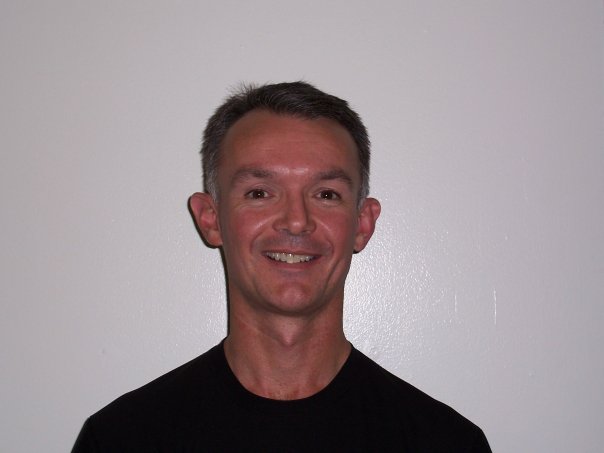
Thank You to all of you that have been with me on this blogging journey of 20 days in a row (I’m exhausted,whew!) and Merry Christmas to you and yours. On day 20, I have a treat for all of you. It is with my great pleasure to introduce my friend and the other half of TEAM GURU, Mark Kane (kanetraining.com). He is one of the best in the business of physical fitness in golf, physical therapy and injury prevention. He is very knowledgeable and you will be hearing great things in the future from this guy. Enjoy the post:
Right off the bat I would like to thank the Guru, Jason Sutton, for allowing me the opportunity to express my views on his blog. Jason is one of the finest golf instructors in the country and it is a pleasure to contribute to his Guru Nation readership.
In today’s blog I would like to cover a topic that plays a huge role in your overall health and golf game…Mobility. Unfortunately, many people associate mobility with only flexibility which is incorrect. Simply put, mobility is the ability to move freely without restriction or compensation during a pattern of movement.
In addition to flexibility, mobility also includes joint mobility, soft tissue mobility, coordination, and stability. All of these attributes contribute synergistically to the common goal of the golfer…the ability to produce a smooth, effortless swing. How many of you in the Guru Nation can lay claim to having a smooth, effortless swing that produces a square club face at impact?
As we reach the end of 2010 I’m quite sure that many of you are going to make golf fitness a priority. Goals for the New Year could include increasing your power, getting stronger and being more cardiovascular fit. Unfortunately all of these goals are based on assuming that you have the ability to move freely in a multitude of directions. Noted physical therapist Gray Cook states that mobility should form the base of your fitness pyramid. If mobility is not addressed first then we are putting fitness on top of dysfunction. Having clean, authentic patterns of movement should form the basis of any sport or fitness program. If not, you will join the millions over time who have become adept at movement compensation.
After reading the first few paragraphs of this blog you may be wondering if you do indeed move well during your golf swing. The only way to find out is through some form of an assessment. As part of the Titleist Performance Institute (TPI) family my role is to assist the golf instructor in determining if there are any physical limitations that may be contribute to the client’s swing faults. TPI has developed a golf specific physical assessment which will expose any movement limitations that the client may possess. Additionally, these movement limitations can correlate to specific swing compensation(s) found in the typical golf swing. For example, if you don’t meet the range of motion requirements for the Seated Trunk Rotation Test then odds on your swing will demonstrate a Sway as a compensatory motion.
Once a mobility issue is identified then it is simply a matter of using the appropriate corrective strategy to address that particular weak link. A holistic approach to problem solving may include a foam roller program for soft tissue mobility, an exercise to increase pattern range of motion and finally working on that particular motion as it pertains to the golf swing.
So, if you want to improve your golf game start with an assessment from the Guru. From there, take the time to have a TPI Professional assess your golf specific mobility and make it a priority to move more efficiently and make mobility the cornerstone of your golf fitness program.
Mark Kane PT, CSCS, TPI Level 2
Please leave comments below and if you found this post helpful, feel free to share it with someone by using one of the social buttons at the bottom.
See you on the lesson tee,
Jason
 The Golf Guru Show