I am a P.G.A . Director of Instruction at Carmel Country Club in Charlotte, North Carolina. 2013 Carolinas PGA Teacher of the Year. I am an AimPoint Green Reading Certified Instructior, K-Vest certified, A certified Coutour Putter fitter, D-Plane certified. I am a christian, married with 2 children. I love to flyfish and am an avid runner
Stay tuned for the second part where you get to see John hit some shots and talk about his practice routine. If you listen closely to a tour players interviews, you will here some very important buzz words like self belief and attitude. I can tell you that John has matured into a very fine player and I expect him to have a fantastic year. Thanks for sharing your story John, It is a privilege to be your coach.
NOONE QUITS GOLF ON MY WATCH. In my attempt to help every golfer that I come in contact with, I am starting with Jeff from Indiana. @jkpassage/twitter.com. The Golf Channel has nothing on Guru TV. Here is The Guru Project, online version.
I am working with a very talented young junior that was struggling with his putting. Great ball striker and a very fundamentally sound putting stroke. We put his stroke on video, looked at it and made a few adjustments. My student sees how good the stroke looks and comments,”My stroke looks a lot better than I imagined, so why I am I not holing more putts?” So I then asked the obvious question.”I know that you are practicing, so describe your typical practice session.”I get a few balls and I make some three footers and just putt around the green for awhile,”. Problem revealed. He had no structure to his practice. Also we discovered that he wasn’t seeing enough break on his bigger breaking putts (a very common problem for most amateurs). Bad teacher. I assumed that because he was such a good player, that he knew how to practice. Bad assumption. So I rolled out a very specific, very structured practice plan that I now call Putting Boot Camp. Here is what I gave him and I think it will help you as well if you will do it. Here are the drills that I prescribed and the goal of each drill. Whatever drill that you are doing, you must have a plan and there must be goals and more importantly MEASUREMENT. Otherwise, how do you know if you are improving?
Short Putts:
Drill #1 3,5,7 Find a straight putt. place tees at 3 ft., 5ft. and 7 ft. make 3 putts from each distance without missing. If you miss, start over at 3 ft.
Drill #2 Compass Drill – place 4 balls, one at each side of the hole at 4 feet away. Place a tee beside each ball. find a hole that has some slope on each side so you have a different break from each side. Make each putt twice before expanding the circle a putter length and repeat. If you miss start over
Drill #3 Breaking Gate Drill – Find a six-foot putt that breaks from right to left. Place two tees on the edge of the hole just wide enough for. the ball to enter the cup. This will help you visualize where the ball will enter the cup and help you to play enough break. Hole 5 in a row and switch to a left to right putt and make 5 in a row to finish the drill.
Long Putt drills:
Drill #1 The 19 inch drill – Absolutely my favorite putting drill. Find two holes that are approximately 20 feet apart. Place a tee 19 inches directly behind both holes. Using 3 balls, putt from one hole to the other. The goal (if you miss) is to leave the ball between the front edge of the hole and the tee (the speed zone). The goal is to get 10 in a row in the zone. If you leave one short or roll it past the tee, start over. I promise that you will improve your speed.
Drill #2 30 foot drill – find a 30 foot putt. Place a spare club behind the hole about 3 feet. Take 10 balls and roll them at the hole. If you don’t make the putt, try to leave it between the front edge of the hole and the club. Count the number of putts that you get in the zone. Your goal is to improve this number. 8 to 10 should be the ultimate goal.
Putting is approximately half of your shots during a typical round of golf. You should plan your practice schedule accordingly. However much time you practice during the week, take 40 percent and work on these drills. I can promise that you will improve your putting stats and ultimately lower your scores. Here is a video archive that will help you with your fundamentals so you can get more out of your new practice routine. Welcome to Guru’s Putting Boot Camp.
2 Lessons to Live by: 1) Have a structured plan to your putting practice and 2) On breaking putts, add 10% more break and you will make more putts and three putt less.
Training aids are great but nothing can replace my favorite training aid (my bare hands). There is no substitute for the guru manipulating the club into the correct positons and creating the proper feel for you, the student.
After watching the Phoenix Open this weekend and hearing the story about Ricky Fowler, it got me thinking about all of the juniors that I have worked with over the years. One of our jobs as coaches is to teach but also nurture talented kids and help them to enjoy the game. Can a talented kid be ruined by an over zealous instructor that tries to make him or her look like Tiger Woods or what they think there perfect swing model should look like. We have to be careful with this. I am not saying that you shouldn’t change juniors swings because I have done plenty of that. What I am saying is recognize certain moves or individual qualities in a young players swing that shouldn’t be messed with in order to just make it look pretty. Ricky Fowler is a perfect example of this kind of individual style.
BARRY McDONNELL FOR TEACHER OF THE YEAR
You won’t find Barry McDonnell on any top teacher list but there should be one for teachers that have to ability to not destroy talent. Jim Furyk’s dad would be at the top of that list as well. Understanding what is important in the golf swing and leaving the rest of it alone if the player has the ability to repeat the important stuff. Barry is the only coach that Ricky had since he was 3. When asked about Ricky’s swing and how he teaches juniors, Barry said,”I try to make sure I don’t tell juniors things they don’t need to know, so they don’t get confused. You could see Rickie was a little lopsided when he started, his weight on one side where he would dig in for power, but he was right on plane. He swung his dad’s driver even when he was little.” Some may call this old school but I call it brilliant. When asked about this Barry responded,” I let kids find their own personality in their swings. I just try to get the fundamentals in there, but I don’t try to make them all look-alike. If the club is coming from the inside, and they get square to the ball, as far as I’m concerned, it’s a good swing.”
I am not saying that there is a formula for evaluating talent in Juniors. I think it almost a gut feeling that a coach has and that the kid displays some signs of talent. The number one thing is can they shoot a low number. Just be cognizant in the fact that if a kid has some funky moves in his or her golf swing yet does what is important which is hit great shots and can score, leave it alone. Here are the 3 things that I think are important in the swing and I will expand on this more in a later post or video. If you focus on these three areas you can’t stray too far off the path to success.
1. Pay attention to the basics – (notice I didn’t say fundamentals): I think this word is overused in teaching since there are so many variables and fundamentals say that every grip etc. should be the same and we know this is not true. Grip=sqauare club face, Set-up/Posture=efficient pivot, Alignment=intended starting line of ball etc.
2. On Plane Downswing/straight plane line– The backswing is overrated. It just has to allow for a repeatable onplane downswing.
3. Impact– A flat left wrist and a forward leaning shaft. Maybe the most important alignment in golf.
Ricky does all of these things very well. Despite some unconventional moves, he owns it and has since he was little, and there is something to be said for Trust and Ownership under pressure. Now if we can just work on his course management…..Go For The Green Ricky…….(Just kidding)
Pay attention to these three areas. If a junior can repeat this in his or her swing, be careful to change anything else. Teach them to chip, pitch and putt, the mental side and play golf with them as much as possible. Spend time coaching and less time teaching and I think we will see more players like Ricky come into the game. I have some advice for the parents as well but I will save it for another post. Parents please encourage and let the coach do his or her job….that’s all for now.
I went to the Carolinas P.G.A. show this past Monday and Tuesday to attend our annual meeting and to see Hank Haney speak at our section teaching summit. I thought it was great to hear from one of our premier instructors who teaches the best player on the planet (Tiger Woods) and the worst (Charles Barkley). This post is as much for the teachers (if any teachers read this I am flattered) as for the players. I think understanding what makes a great teacher can help you in your search for a teacher to work with. If your teacher or coach doesn’t have these qualities or isn’t working to improve, find another teacher! This post is also for the student that hasn’t worked with me and wants to get some insight on what to expect. Here are some hightlights from Hank Haney ; Continue reading “Hank Haney and My New Favorite Training Aid”
This show topic goes with my June column that I just submitted to Golf Illustrated. Title: “The D Plane” and The importance of the club face. Did I mention that I have an article in the February issue of GI? See you on the lesson tee,
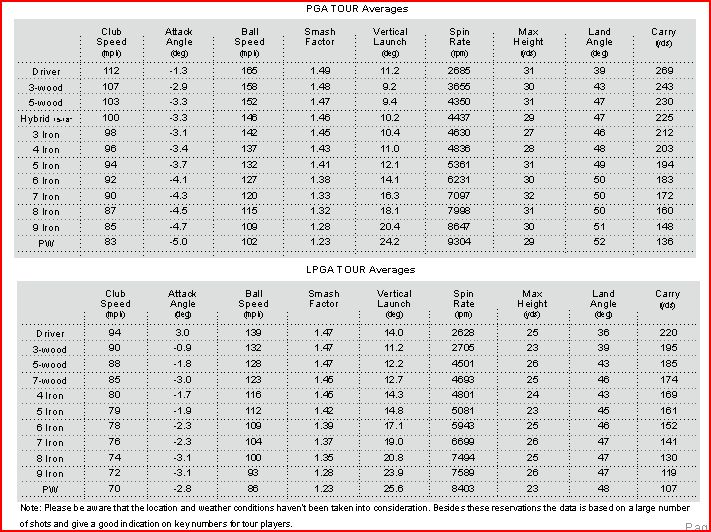
Club fitting has always been a high priority for me as a teacher. An expert fitter has the ability to make the teacher look like a genius by giving the student a tool that fits him or her and allowing them to reach their golfing potential. At the Dana Rader Golf School, we have one of the best fitters in the country in Stan Roach. He not only is extremely knowledgeable but blends a customer service touch that is second to none. Spending time with Stan is like hanging out with Harvey Penick. He hands you a few clubs, makes a recommendation or two and the next thing you know you are striping it like never before. You leave the a session with Stan and wonder “what just happened”. His style is so smooth and effortless, that he just slips it in your food……to steal a line from Harvey. As we say in the teaching business, Stan understands the club fitting business like Homer (Kelley) and explains it like Harvey (Penick). I couldn’t do my job as well if I didn’t have Stan supplying my students with clubs that work for their build and swing. If you are trying to improve your game and are playing clubs off of the rack or hand me downs, you may as well run a marathon with shoes two sizes too small. Stan uses the Zelocity launch monitor to fit players which gives you plenty of data and information. Come and spend some time with Stan before purchasing golf clubs and I promise you won’t be sorry. Here is trackmans data for tour players that might give you some insight when you visit your club fitter. For more info, check out trackman.com. This is the only way to maximize you distance and play what is going to work for you. Check out Stan’s Blog for the latest in equipment and fitting info at clubfitterstan.wordpress.com.
Here is a drill that I use with students that tend to roll the club too far inside on the takeaway. I filmed another show today that goes with my upcoming Golf Illustrated Article in June called “The D-Plane and the Importance of the club face”. It will be up in the next few days.


 The Golf Guru Show